Image to Video with a First Frame: Tips
How first-frame image to video works on Magi2Video.io: preparing the image, matching the frame shape, writing a motion prompt, and the rights rules.
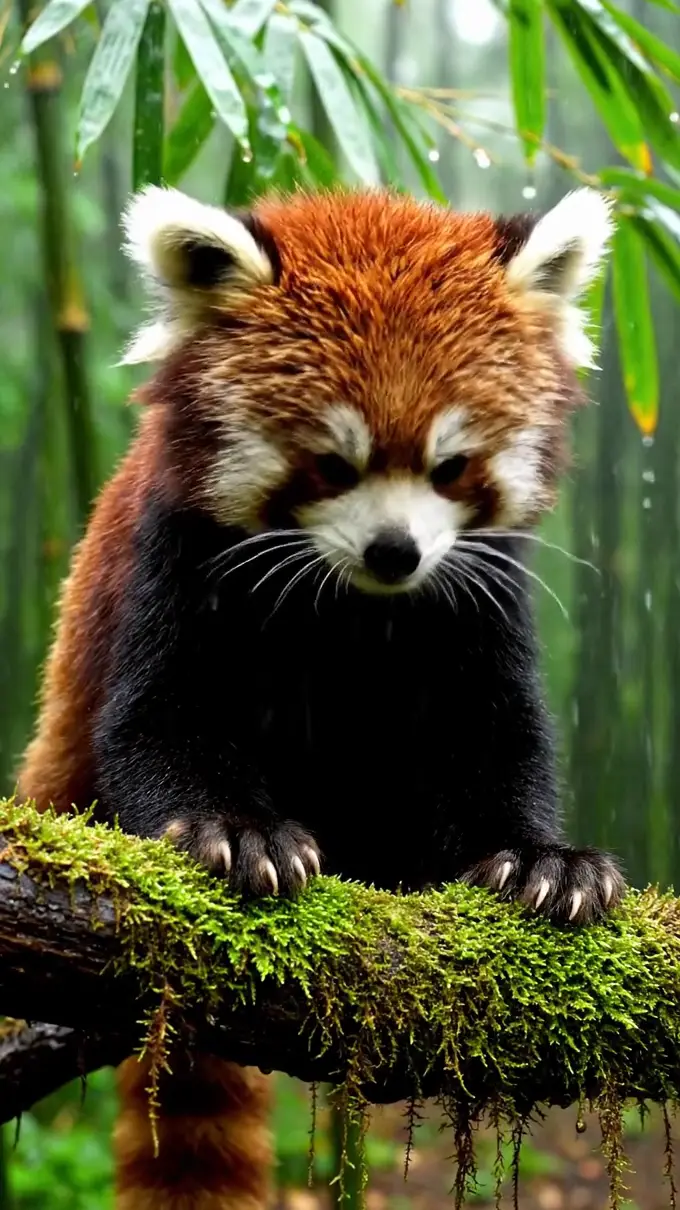
In first-frame image to video, the image you upload becomes the opening frame of the clip and your prompt describes only what happens next. Get three things right and most results improve: a clean image cropped to the frame shape you will render (16:9, 9:16 or 1:1), a prompt about motion rather than appearance, and small, plausible movement. The rest of this guide explains each step and the rules for what you may upload.
How first-frame image to video works
On Magi2Video.io you add one image per video. The model treats it as frame one and generates the following seconds from it, together with a soundtrack. Because the start is fixed, the subject, colours, lighting and composition of your picture carry into the clip. Everything after that first frame, including any area the camera reveals, is invented by the model.
This works the same way on every selectable model, Wan 3.0, Seedance 2.5, Kling 4.0 and Veo 3.1 Fast, so you can draft on one and re-render the same image on another. See choosing a model for the trade-offs.
Prepare the image
- Crop to the output shape first. If you will render 9:16, crop the image to 9:16 yourself. Otherwise the model has to pad or crop it, and that is where unwanted changes creep in.
- One clear subject, sharp and well lit. Blur, heavy noise and very dark areas tend to turn into flicker once things move.
- Leave space around the subject. A subject touching the edge gives the motion nowhere to go except into invented territory.
- Remove overlays. Captions, stickers, watermarks and UI elements warp as the frame moves. Add text in an editor after rendering.
- Choose a moment that can continue. A frame caught mid-action (a wave about to break, a dancer mid-step) gives the model an obvious next move.
Write a motion prompt
The model can already see the picture, so describing it again adds little. Spend your words on what changes:
- Subject motion: "steam drifts up from the cup", "she turns her head toward the window", "the dog shakes water off its coat".
- Camera: one move per clip, such as "slow push-in", "gentle orbit to the left" or "locked-off static shot".
- Environment: "a cloud passes and the light dims", "rain begins on the glass".
- Sound: every model renders audio, so name it: "quiet café murmur and a spoon on porcelain", "wind through dry grass".
A useful pattern is subject action, then camera, then sound, in two or three sentences.
Keep motion modest
Small movements keep the subject recognisable: hair in the wind, a slow turn, light sliding across a surface, a gentle dolly. Large actions, like a person standing up and walking out of shot, ask the model to invent much of what wasn't in your photo, and identity and proportions drift. If you need a big action, try a 5-second draft first and look closely at the last second before paying for 10.
Product shots
First-frame image to video is especially handy for product clips:
- Use a clean packshot on a plain background with a readable label.
- Ask for a slow orbit, a turntable spin or a push-in rather than fast motion.
- Change the surroundings, not the product: "condensation beads on the bottle", "petals drift past", "sunlight moves across the counter".
- Render 9:16 for vertical feeds, 1:1 for square posts and 16:9 for a site banner.
Your own products and brand are fine. Someone else's logo, packaging or characters are not, unless the owner has agreed.
People: consent comes first
Animate your own photo, or a photo of a person who has explicitly said yes. You may not upload photos of public figures (celebrities, politicians, influencers, or their lookalikes), strangers, or anyone under 18. There is no face swap or identity replacement on Magi2Video.io, and the first frame may not be used to fake one. Every prompt is screened before rendering, and the full rules are in the Acceptable Use Policy.
Troubleshooting
- The subject changes shape or face: reduce the motion and make the camera move slower, or switch to a tighter crop.
- The background warps: describe the background as still ("the room stays still") and keep the camera static.
- Nothing much happens: name a concrete action with a verb, not a mood.
- Odd sound: tie the sound to something visible in the frame.
FAQ
How many images can I add? One per video. It becomes the first frame.
Does adding an image change the price? No. A clip costs the same with or without a first-frame image; the price depends on model, resolution and length.
Who can see my uploaded image? Only you. Uploads are never shown in a gallery or on a public page, and they are deleted 30 days after the job.
Try it in the generator
Pick a model, write a prompt, add a first frame if you like, and see the credit cost before you render.